
What Is a Flower Frog? The Vintage Tool That Still Works Today
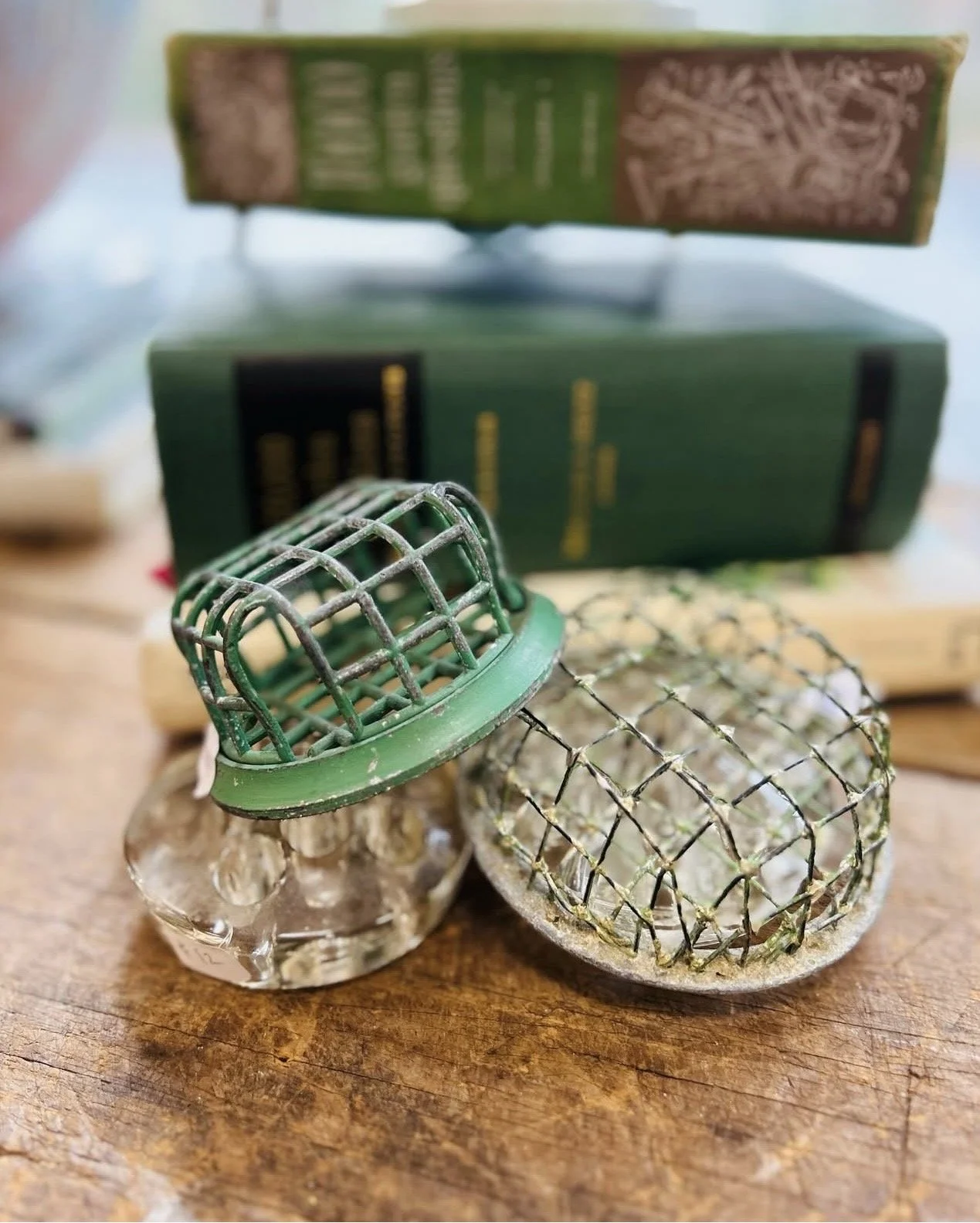
Despite the funny name, these little devices have nothing to do with amphibians. Flower frogs were patented in the late 1800s and became popular in the early 20th century. Their job was simple: sit inside a vase and hold flower stems in place so anyone could create a balanced arrangement at home.
Before floral foam existed, this was the tool florists and home gardeners relied on to keep blooms upright and evenly spaced.
A Small Tool with a Big Following
Collectors love flower frogs because they were produced in so many forms. You’ll find:
Metal pin frogs with rows of sharp pins to hold stems in place
Glass dome frogs with evenly spaced holes
Ceramic and decorative versions made to match popular home décor styles
They were practical household tools, which is why many people remember them from a grandparent’s kitchen or cupboard. Today they’re still easy to find at estate sales and antique shops, often tucked away in boxes of small household goods.
Why People Still Use Flower Frogs Today
While they were designed for arranging flowers, vintage frogs are surprisingly versatile. The glass versions in particular have found a second life in modern homes.
Glass Flower Frog Uses
Desk organizer
Pop pens, scissors, or paintbrushes into the holes to keep them upright and easy to grab.
Makeup holder
Lipsticks, eyeliner pencils, and brushes stand neatly inside.
Art supply helper
Great for paintbrushes, knitting needles, or small craft tools. One of our customers even bought one specifically to corral her tiny embroidery scissors.
Metal Pin Frog Uses
Metal pin frogs aren’t limited to floral arrangements either.
Photo stand
Slide a favorite photo, postcard, or small print between the pins and display it on a shelf.
Recipe helper
Use it to hold a recipe card upright while cooking.
Place card holder
They work well for dinner parties, weddings, or holiday tables.
Why Flower Frogs Are Still Worth Picking Up
Flower frogs are one of those vintage objects that check all the boxes: useful, affordable, and easy to repurpose. They also come in a range of sizes—from tiny metal ones smaller than a quarter to large glass versions that span several inches across.
Because they were meant to be used, they’re also durable. Most of the ones you find today are still perfectly functional.
If you’ve never picked one up before, next time you’re at an estate sale, keep an eye out. They’re often hiding in boxes of small kitchen tools or mixed household items.
And once you start using one, you may find yourself reaching for it more often than you expect.